If you’ve noticed more hair in your brush, a wider part, or a thinning hairline, you’re far from alone. Hair thinning affects millions of Canadians, men and women alike, and many people across Brampton, Mississauga, and the wider GTA are looking for gentle, non-surgical options. One of the most talked-about is PRP hair restoration. The question we hear most often is simple: how many PRP sessions do you actually need, and when will you see results? This guide answers both in plain language, so you know what to expect before you book.
What Is PRP Hair Restoration?
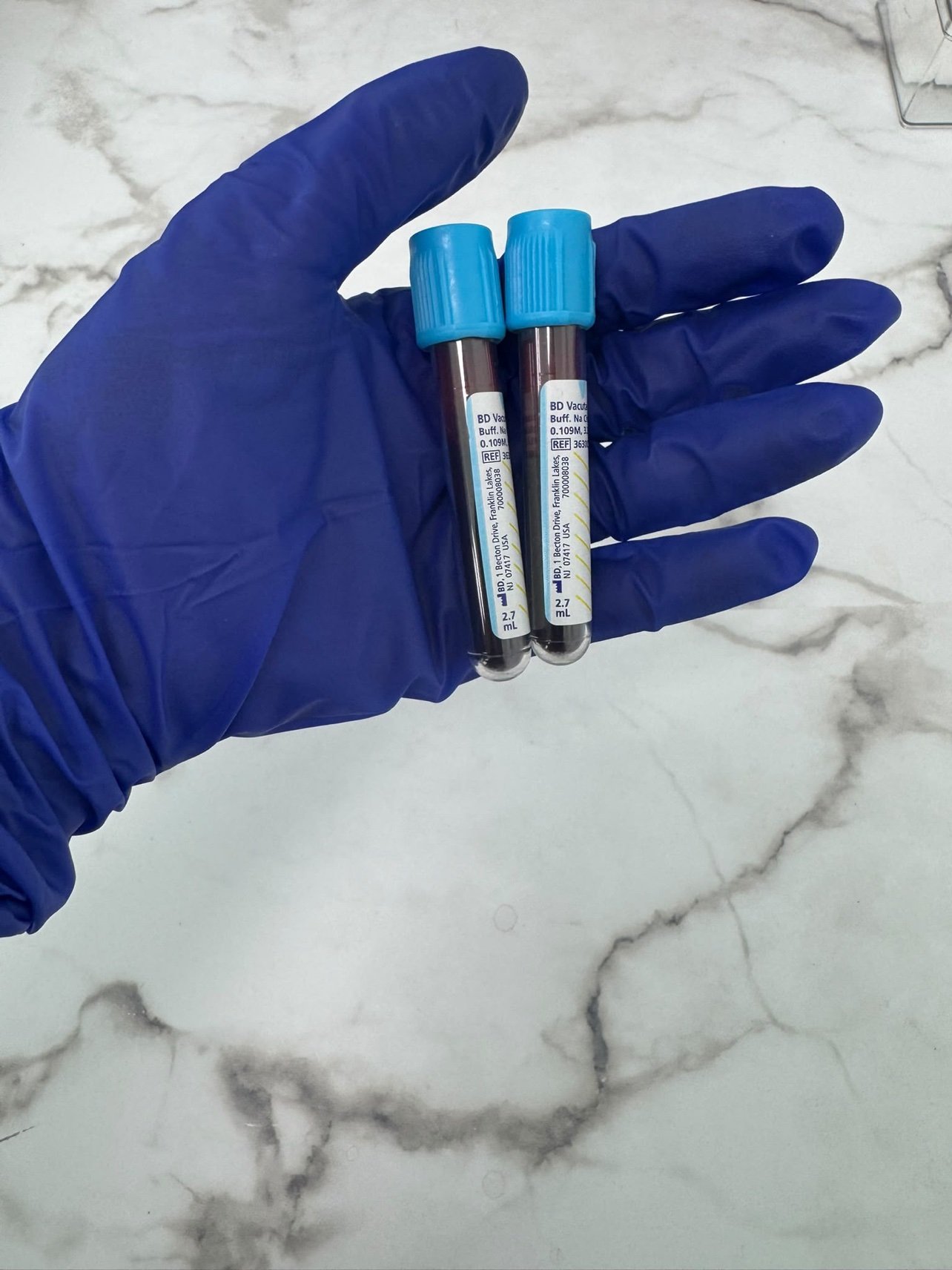
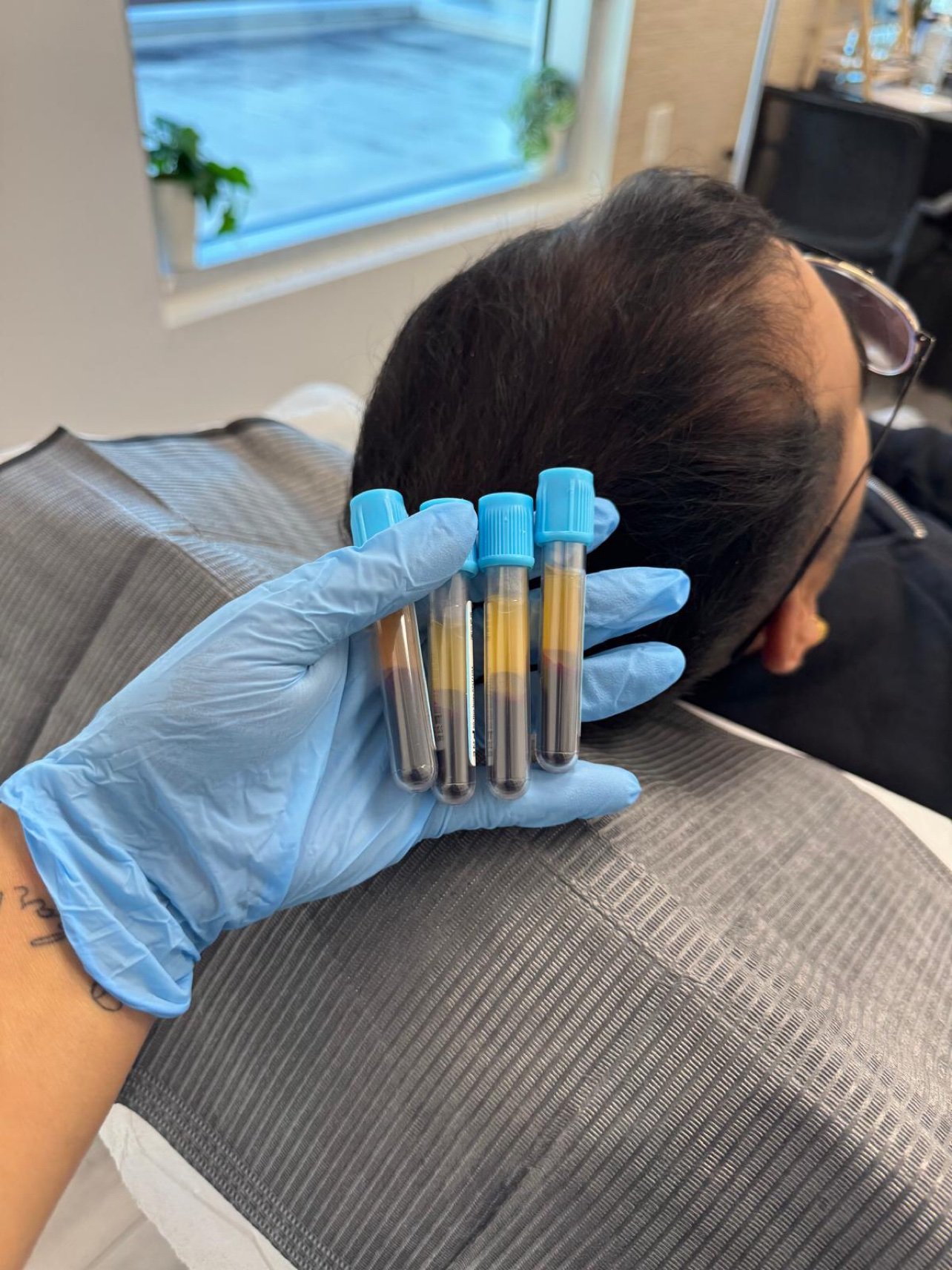
PRP stands for platelet-rich plasma. It’s made from your own blood. During a visit, a small sample is drawn (much like a routine blood test) and spun in a centrifuge to concentrate the platelets, which are rich in growth factors. The concentrated plasma is then carefully placed into the scalp areas where hair is thinning. The idea is to support the scalp environment and encourage hair follicles that are still active to work at their best. Because PRP uses your body’s own resources, it’s a popular choice for people who prefer to avoid surgery or who want a complement to other hair-loss care.
It’s important to be realistic: PRP is not a cure for hair loss, and results vary from person to person. It tends to work best for thinning hair rather than areas that have been completely bald for many years, because it relies on follicles that are still present.
How Many PRP Sessions Do You Need?
There isn’t one number that fits everyone, but there is a common pattern. Most PRP hair treatment plans include: An initial series of about three sessions, spaced roughly four to six weeks apart. Maintenance sessions every several months (often around every four to six months) to help sustain results.
Some people need more sessions up front, and others do well with fewer. The right plan depends on your type of hair loss, how advanced it is, and how your scalp responds. That’s why a proper consultation matters: a good clinic will assess your scalp, ask about your health and history, and then recommend a plan that fits you rather than a one-size-fits-all package.
If you’re searching for PRP hair treatment in Brampton, ask any clinic how they personalize the number of sessions and what the maintenance schedule looks like. Be cautious of anyone who promises a fixed outcome after a set number of visits.
PRP Hair Growth Timeline: What to Expect
Hair grows slowly, so patience is part of the process. Hair follicles move through growth and rest cycles, and PRP works with that natural rhythm. While everyone is different, here’s a general idea of how things often unfold.
Weeks 1 to 4: The early phase. Your scalp may feel slightly tender or tight after a session, and mild redness is common. This usually settles within a day or two. You won’t see new hair yet. Some people notice a small amount of shedding as weaker hairs make way for the growth cycle to reset, which can look discouraging but is not unusual.
Months 2 to 3: Early changes. This is when some people begin to notice that shedding has slowed and that hair feels a little stronger or healthier. Visible regrowth is usually still limited at this stage.
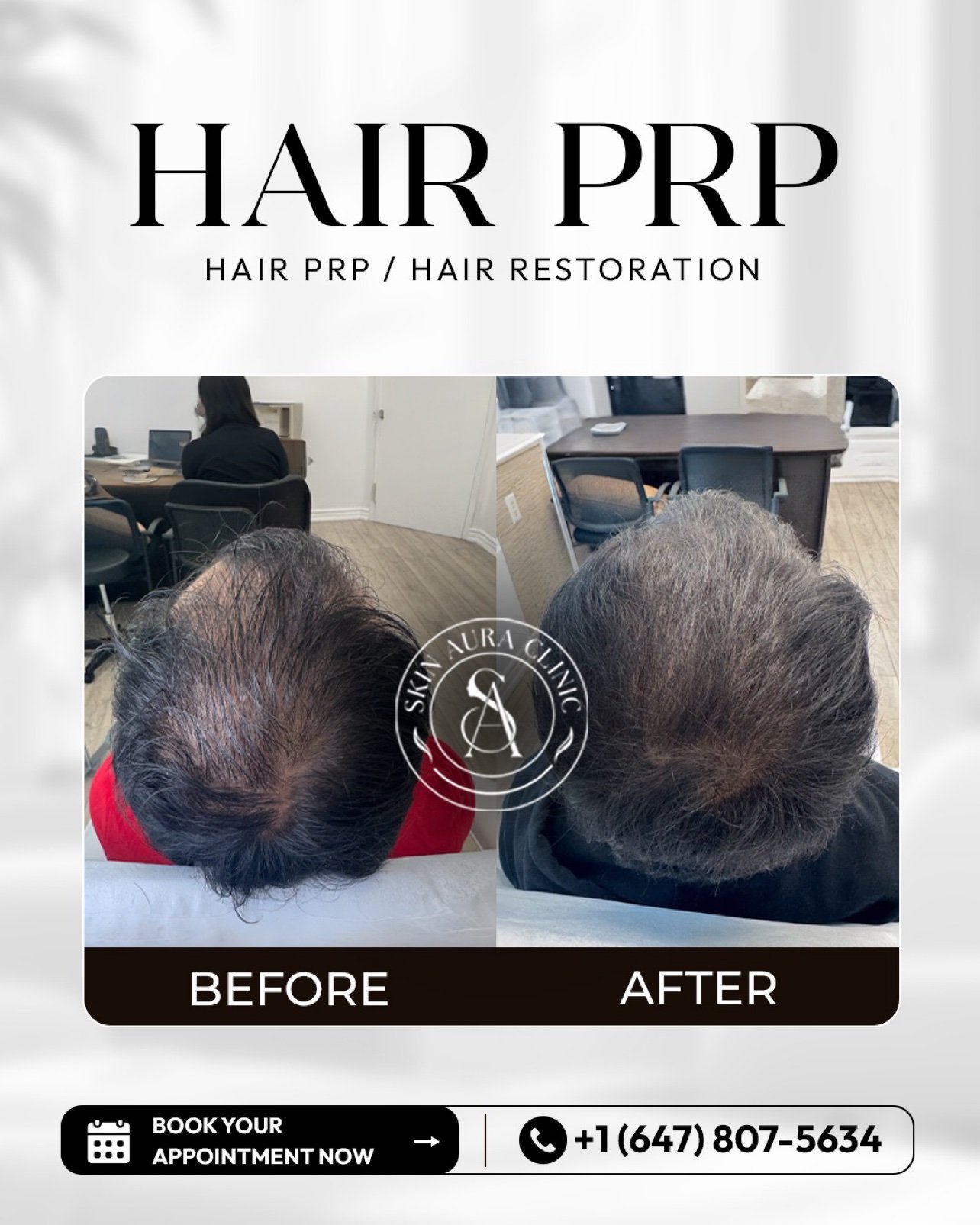
Months 3 to 6: Visible improvement. For many people who respond well, this is when thicker, fuller-looking hair begins to show, along with fine new growth along the hairline or part. Photos taken in the same lighting at each visit can help you see changes that are hard to spot in the mirror day to day.
Months 6 to 12: Building on progress. With a completed series and appropriate maintenance, improvements often continue to develop over this period. Staying consistent with follow-up sessions is what helps people hold on to their results.
Remember that this is a general guide, not a promise. Some people see changes sooner, some later, and some see only modest improvement.
What Affects How Many Sessions You Need?
Several factors shape your treatment plan: Type of hair loss. Pattern thinning, stress-related shedding, and postpartum hair loss behave differently and may respond differently. Stage of hair loss. Earlier thinning generally gives PRP more active follicles to work with. Age and overall health. Nutrition, hormones, thyroid health, iron levels, and medications can all influence hair. Lifestyle. Stress, sleep, smoking, and diet play a role in hair health. Consistency. Skipping sessions or stopping early can limit how much benefit you get.
If you’re experiencing sudden or patchy hair loss, it’s a good idea to see your family doctor first. Underlying causes such as low iron, thyroid issues, or other medical conditions are worth ruling out, and a good PRP provider will tell you honestly if another approach should come first.
What Happens During a PRP Hair Session?
A typical appointment is straightforward and doesn’t take long:
- Consultation and scalp assessment. Your practitioner reviews your concerns, history, and goals.
- Blood draw. A small sample is taken, usually from your arm.
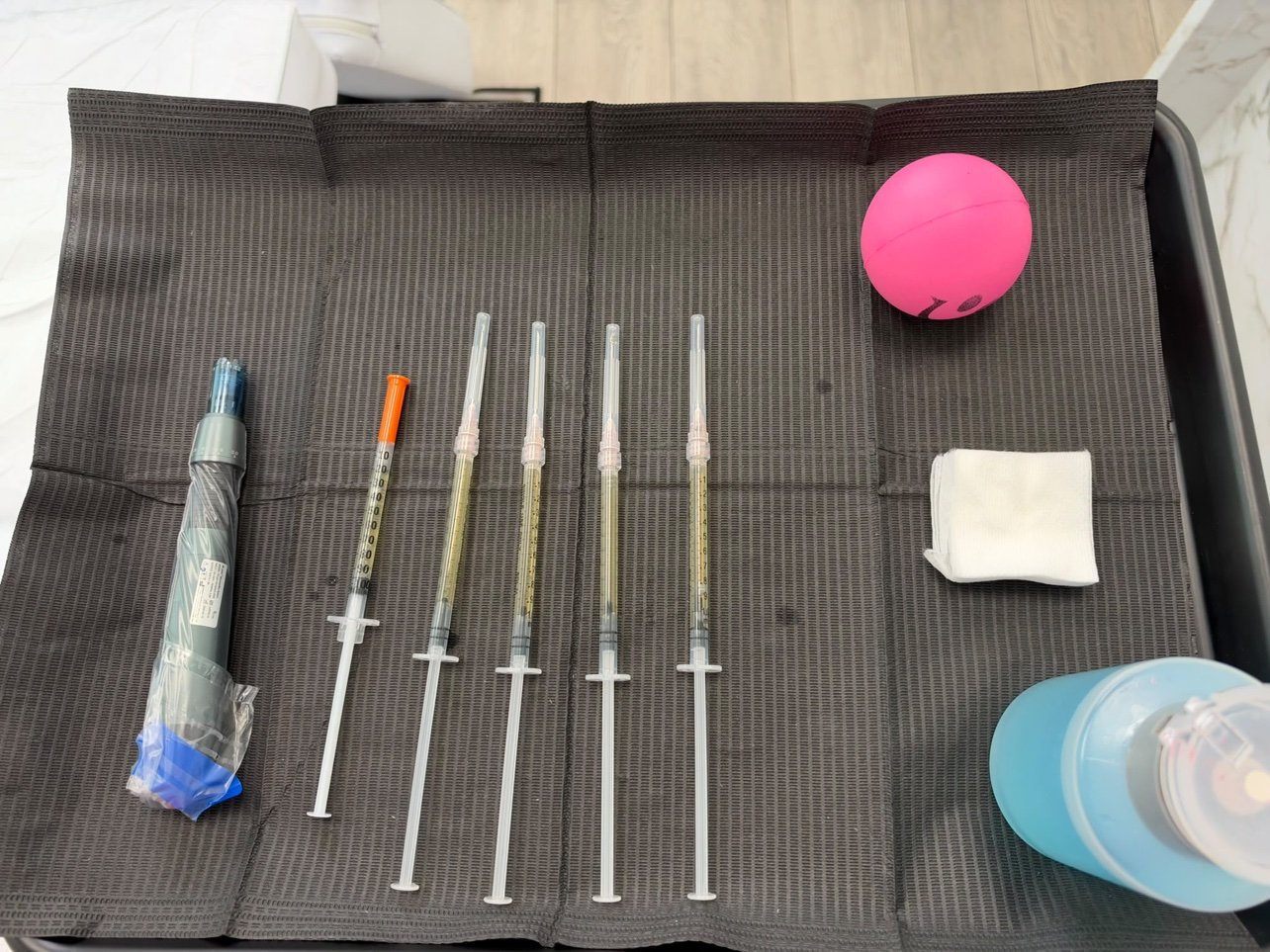
- Preparation. The sample is processed to concentrate the platelet-rich plasma.
- Scalp treatment. The PRP is delivered to the targeted areas using very fine needles. A numbing approach is often used to keep you comfortable.
- Aftercare. You’re given simple instructions, and most people return to normal activities the same day. Mild soreness, tightness, or redness can occur for a short time. Your clinic should explain aftercare clearly, including how soon you can wash your hair and exercise.
Is PRP for Hair Loss Right for You?
PRP may be a good fit if you: Have early to moderate thinning and still have active follicles. Want a non-surgical option that uses your own blood. Are open to a multi-session plan and follow-ups. Have realistic expectations about gradual improvement.
It may not be the best choice if you have certain blood disorders, are on specific blood-thinning medications, have an active scalp infection, or have extensive long-standing baldness. This is exactly why a one-on-one consultation is so important. Your practitioner can tell you whether PRP, another treatment, or a combination makes the most sense.
PRP is also often discussed alongside other options such as minoxidil, nutritional support, and hair transplant surgery. Many people use PRP in addition to other treatments rather than instead of them.
PRP Hair Restoration in Brampton at Skin Aura Clinic
At Skin Aura Clinic, we offer personalized PRP hair restoration in Brampton as part of our broader range of PRP therapy services. Our approach starts with listening: we take the time to understand your hair concerns, look at your scalp, and build a plan that matches your needs and schedule.
We welcome clients from Brampton, Bramalea, Mississauga, Caledon, and surrounding areas across Peel Region and the GTA. Our clinic is located at 2250 Bovaird Dr E, Brampton, ON, and we offer free consultations so you can ask questions with no pressure.
Frequently Asked Questions
Does PRP hair treatment hurt? Most people describe mild discomfort rather than significant pain. Numbing methods are commonly used to improve comfort, and the procedure itself is fairly quick.
Is there downtime after PRP for hair? Downtime is minimal. You may have some redness or tenderness for a day or two, and most people return to their usual routine right away.
How long do PRP hair results last? Results aren’t permanent. Because hair loss is ongoing for many people, maintenance sessions are usually recommended to help sustain improvements. Your practitioner can suggest a schedule based on your response.
Can both men and women get PRP for hair loss? Yes. PRP is used for men and women with thinning hair, including pattern thinning and, in some cases, postpartum shedding. A consultation will confirm whether it suits your situation.
How soon will I see results? Most people need to wait a few months. Early changes may appear around two to three months, with more noticeable results often developing between three and six months.
How much does PRP hair treatment cost in Brampton? Pricing depends on the number of sessions and your treatment plan. A consultation is the best way to get an accurate quote.
Ready to Talk About Your Hair?
The honest answer to “how many PRP sessions do I need?” is that it depends on you. A personalized assessment is the best first step toward a plan that’s realistic and tailored to your goals. If you’re in Brampton or nearby and want to learn more, book a free consultation at Skin Aura Clinic or call us at +1 (647) 807-5634.
This article is for general information only and is not medical advice. Results vary from person to person. Please consult a qualified healthcare professional about your individual situation.